
Long before bears peered through cabin windows or searched motorcycle bags for hamburger meat, life beneath Raspberry Mountain demanded courage, determination, and occasionally a well-aimed rifle.
Yet Pinehaven’s unforgettable moments are not remembered only because they were dangerous or dramatic. Some endure because they capture the warmth of a first white Christmas, the comfort of chili after a cold day on the slopes, or the generosity of neighbors who helped raise a cabin one log at a time.
The twelve stories in Part 1 revealed how history lives in family traditions, unexpected adventures, and moments of laughter. These twelve continue that story. Together, they remind us that life in Pinehaven has always included beauty and hardship, strangers and neighbors, beginnings and final returns, and more than a few bears who failed to respect property lines.
.
12 More Unforgettable Moments
.
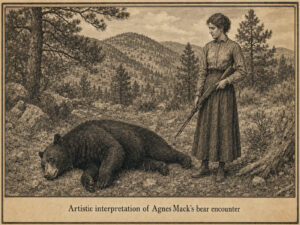
Bears, Bullets, and Backbone. Although Pinehaven sits on Raspberry Mountain, this mountain can be beautiful and mean at the same time. Early newspapers told of James ‘Daddy’ Lea tracking the notorious bear Old Club Foot across the mountain. In 1916, twelve-year-old Loyd Powell killed two black bears in two days, while seventeen-year-old Agnes Mack had put down a sheep-killing bear in 1903. Their experiences reveal how much courage mountain life once demanded from even its youngest residents.(1)
.
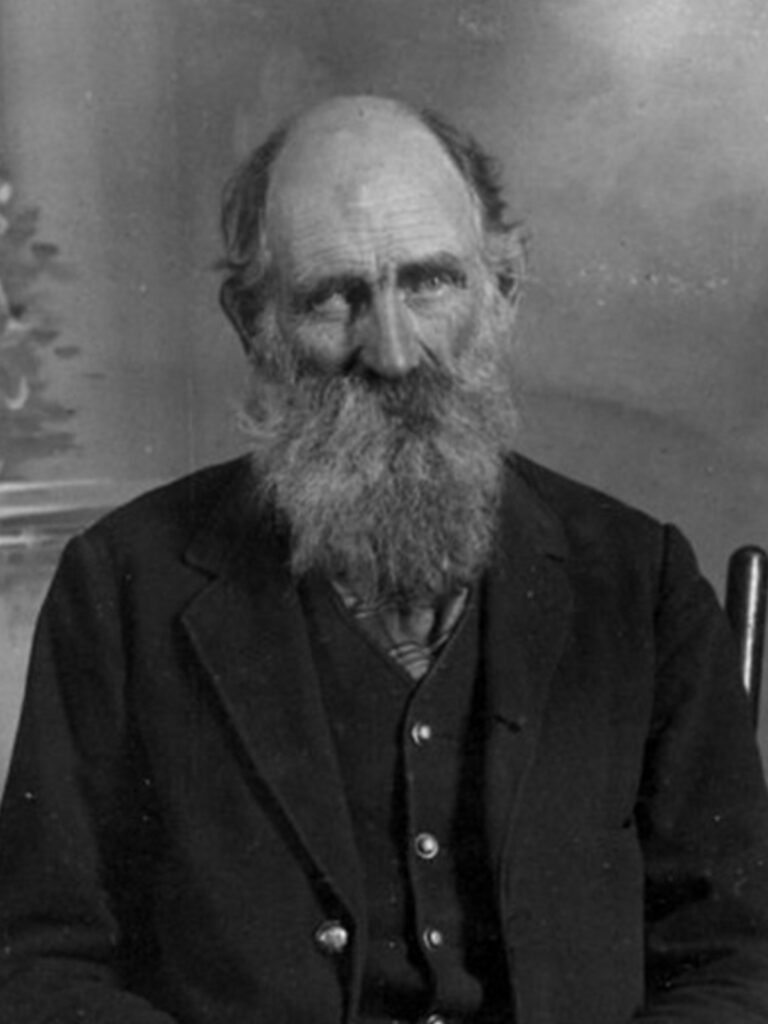
Beginning Again at Sixty-Two. After surviving the Civil War, raising seven children, and watching the nation transform around him, John L. Powell might reasonably have chosen a quieter life. Instead, in 1896, at approximately sixty-two years old, he traveled west by covered wagon and established a homestead beneath Raspberry Mountain. The land he claimed would eventually become Pinehaven.(2)
.
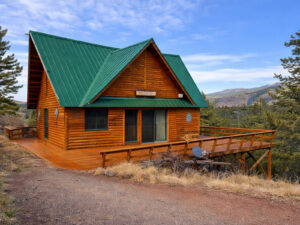
Strangers Picnicking on the Deck. The Harmons’ deck at the top of Road 407 offers such a commanding view of the Spanish Peaks that strangers occasionally picnicked on it when the family was away. The view was apparently so inviting that some visitors mistook the Harmons’ private deck for one of Colorado’s lesser-known scenic overlooks. Sandra calls the deck their cabin’s “claim to fame,” although she jokingly admits that the Hughes cabin above them provides some competition.(3)
.
.
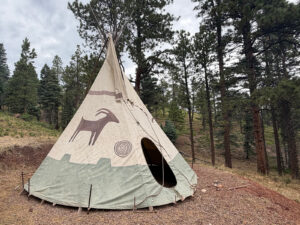
The Tipi Beneath the Pines. Charles Chauvin was struck by an old letter in which ranchers complained that Utes were camping on their land “like it was theirs.” Recognizing the deeper truth behind those words, Charles erected a tipi in Pinehaven to honor the people whose homeland it had been first. After Charles moved away, he gave the tipi to Steve and Bridget Johnson, who continue raising it beneath the pines each spring. Each spring, when the tipi rises again beneath the pines, it quietly acknowledges a history that began long before the cabins surrounding it.(4)
.
.
First White Christmas. After searching thousands of miles across Colorado for the perfect mountain retreat, Ken and Nan Wilkin purchased a cabin in Pinehaven. In December 2003, they celebrated their first Christmas in the cabin surrounded by several family members and something they had never experienced before: a white Christmas. After traveling thousands of miles in search of a mountain retreat, they found one that gave them a Christmas they would never forget.(5)
.
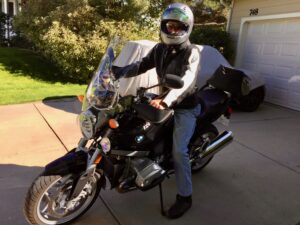
The Bear, the Motorcycle, and the Broom. Ed Orsini had just returned from Charlie’s with hamburger meat strapped inside his motorcycle bag when he stepped onto the porch to start the grill. Standing behind the motorcycle was a large bear carefully searching the bag for whatever smelled so good; when Ed confronted it with a broom, the unimpressed bear merely looked bored, dropped to all fours, and ambled away. The bear seemed less frightened by the broom than disappointed that Ed had interrupted dinner.(6)
.
.
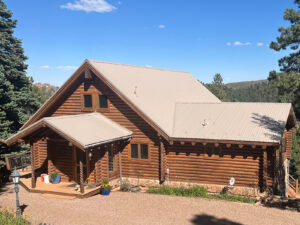
A Pinehaven Barn Raising. When Charles and Linda Chauvin built their log cabin, neighbors gathered to help stack and raise its full pine walls. Skip Johnson, Don Brown, Leon Skaggs, and Don Pike worked alongside builder Paul Neldner in an effort reminiscent of an old-fashioned barn-raising. Before Pinehaven had developed formal community organizations, its residents were already building relationships along with cabins.(7)
.
.
The Water Left Running. After workers repaired the Williamson cabin’s exterior logs and daubing, they accidentally left the water running even though the cabin had already been winterized. The resulting flood destroyed much of the lower level, forcing the family to reconstruct walls, floors, and cabinetry. In mountain construction, fixing one problem occasionally comes with a complimentary second problem.(8)
.
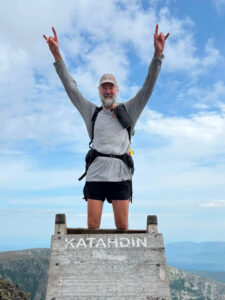
From Pinehaven to the Appalachian Trail. Brian Wilkin, son of Ken and Nan Wilkin, used the family cabin in Pinehaven as a base while training for a thru-hike of the Appalachian Trail. His preparation in the high altitude of the surrounding area helped launch a journey of 2,197.9 difficult miles through 14 states, ending with what his mother called “a beautiful and happy day in Maine.” A family cabin that had long served as a place of rest also became the starting point for an extraordinary test of endurance.(9)
.
.
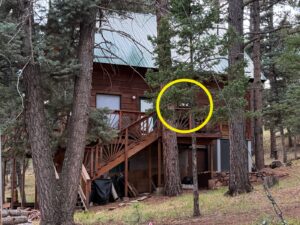
The Bear at the Kitchen Window. At approximately two o’clock one summer morning, a two-year-old bear tore out the kitchen window screen and attempted to climb into the Thompson cabin. The family summarized the encounter with considerable understatement: “That was an interesting night.” Apparently, no one had remembered to tell the bear that breakfast service did not begin until morning.(10)
.
.
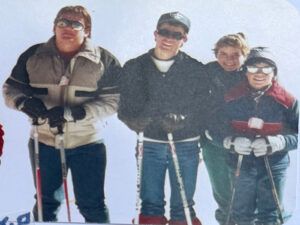
Chili After a Day on the Slopes. Generations of the Barber family learned to ski at Cuchara’s historic ski area. After a cold day on the mountain, they returned to the cabin knowing that Tom’s mother would have a pot of hot chili waiting for them. Years later, they remember the skiing, but they also remember what waited at the end of the day: a warm cabin, their family gathered inside, and Tom’s mother’s pot of chili on the stove. Sometimes the meal waiting afterward becomes as much a part of the memory as the adventure itself.(11).
.
.
.
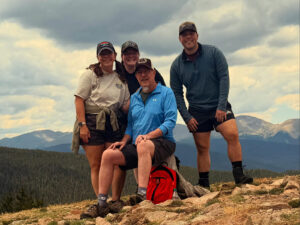
One Final Return to Pinehaven. Long after the Smith family sold its Pinehaven cabin, they continued returning to the valley and renting cabins near the places they had known as children. Before Dean Smith died, one of his final wishes was that his family return once more and scatter his ashes in the Cuchara Valley. The Smiths’ ownership of a cabin had ended years earlier, but their belonging never did.(12).
.
.
The Place We Carry with Us
These stories span more than a century, from children confronting bears on Raspberry Mountain to families building cabins, sharing meals, surviving fires and floods, and returning to places that remained part of them long after they moved away. What connects them is not simply where they occurred. It is the meaning they acquired as families remembered them, repeated them, and passed them from one generation to the next.
Across both parts of this collection, Pinehaven’s history has emerged through arrowheads lifted from rain-softened soil, irises returning beside an old cabin, neighbors raising logs together, children meeting mountain wildlife, and families discovering that some places never completely release their hold on us. Deeds may record when a cabin changes hands, but they cannot measure what happened within its walls or how deeply a place entered a family’s life.
Perhaps that is what makes these moments unforgettable. They remind us that Pinehaven is more than a collection of cabins beneath Raspberry Mountain. It is a place people continue to carry with them, sometimes for the rest of their lives.
One Response
Thank you so much for getting all the information about this wonderful Pinehaven getting our special cabins being built and all the great people we have here! We are all so blessed to have homes here and being able to be with everyone that is so much fun to be with!